In today’s fast-paced, interconnected world, the ability to collaborate effectively is no longer optional – it’s essential. As educators, we hold the key to unlocking this vital skill in our students. But how can we, as educational leaders, ensure that our classrooms are breeding grounds for collaboration? The answer lies in embracing collaborative learning. This approach doesn’t just teach students to work together; it immerses them in the very essence of teamwork, preparing them for the challenges of the modern world.
Imagine a classroom where students are not merely recipients of information but active participants in a dynamic learning process. Picture them engaging in spirited discussions, tackling complex problems together, and celebrating collective achievements. This is the power of collaborative learning – a transformative experience that goes beyond textbooks and exams. It’s about fostering a community where every voice is heard, every idea is valued, and every student learns the art of working together towards a common goal.
But here’s the catch: implementing collaborative learning isn’t just about grouping students together. It’s about creating an environment that nurtures trust, encourages open communication, and holds each member accountable. Without these foundational elements, collaboration can falter, leading to disengagement and missed opportunities for growth. As educational leaders, it’s our responsibility to design and facilitate learning experiences that embody these principles, ensuring that our students are not only learning content but also the crucial skills of teamwork and cooperation.
In this article, we’ll explore practical strategies for integrating collaborative learning into your classroom. From structuring group activities to fostering a culture of mutual respect, we’ll delve into actionable steps that can transform your teaching practice and enhance your students’ learning experiences. Whether you’re a seasoned educator or new to the profession, these insights will empower you to cultivate a classroom environment where collaboration thrives, and students develop the teamwork skills they need to succeed in the 21st century.
The Essence of Collaborative Learning
At its core, collaborative learning is about students working together to achieve a shared educational goal. It’s a pedagogical approach that emphasizes interaction, mutual respect, and collective problem-solving. Unlike traditional methods where the teacher is the sole source of knowledge, collaborative learning positions students as active participants in their educational journey. They engage in discussions, share perspectives, and learn from one another’s experiences, leading to a deeper understanding of the subject matter.
Research has shown that collaborative learning not only enhances academic performance but also fosters essential life skills such as communication, critical thinking, and conflict resolution. When students collaborate, they are exposed to diverse viewpoints, challenging their assumptions and broadening their perspectives. This process encourages them to think critically, question ideas, and develop well-rounded solutions to problems. Moreover, working in groups helps students build interpersonal relationships, learn to navigate social dynamics, and develop empathy – skills that are invaluable both inside and outside the classroom.
However, the success of collaborative learning hinges on how it’s implemented. Simply placing students in groups without clear objectives or guidance can lead to confusion and disengagement. To reap the full benefits, educators must carefully design collaborative activities that align with learning outcomes, provide structure, and promote active participation. This requires thoughtful planning, a deep understanding of group dynamics, and a commitment to creating an inclusive and supportive learning environment.
Designing Effective Collaborative Activities
Designing collaborative activities that are both engaging and educational requires a strategic approach. Start by defining clear learning objectives. What do you want students to achieve through this activity? Whether it’s mastering a specific concept, developing a particular skill, or solving a real-world problem, having a clear goal ensures that the activity remains focused and purposeful.
Next, consider the composition of the groups. Aim for diversity in each group to encourage a range of perspectives and ideas. Diverse groups are more likely to produce creative solutions and engage in meaningful discussions. Additionally, assign roles within the group to ensure that each member has a specific responsibility. This not only promotes accountability but also helps students develop leadership and organizational skills.
Provide students with the necessary resources and support to succeed. This might include access to research materials, guidelines for effective collaboration, and strategies for conflict resolution. Encourage open communication and regular check-ins to monitor progress and address any challenges that arise. By fostering an environment of trust and mutual respect, you empower students to take ownership of their learning and collaborate effectively.
Integrating Technology to Enhance Collaboration
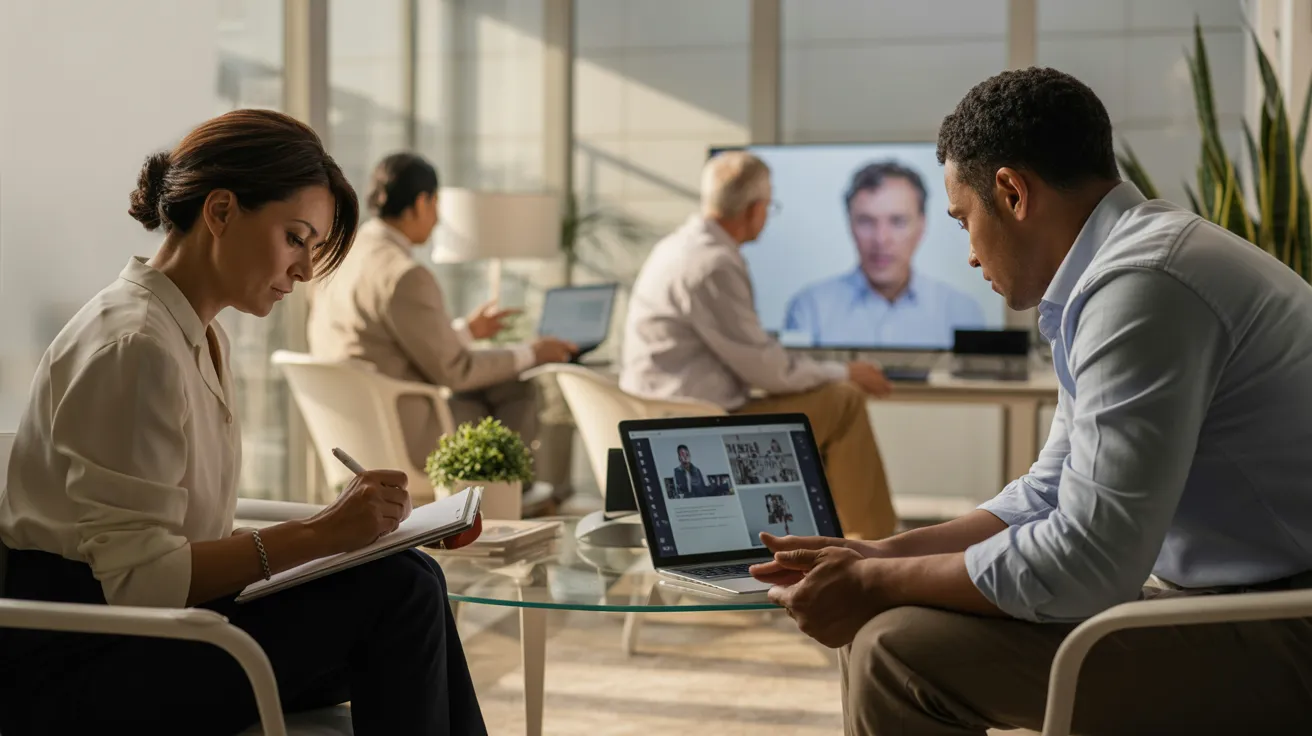
Incorporating technology into collaborative learning can significantly enhance the experience. Digital tools such as collaborative documents, discussion forums, and project management platforms allow students to work together seamlessly, regardless of time and location. These tools facilitate communication, streamline workflows, and provide a platform for sharing ideas and resources.
For instance, platforms like Google Docs enable real-time collaboration, allowing students to co-create documents, provide feedback, and track changes. Similarly, discussion forums and online boards encourage asynchronous communication, giving students the opportunity to reflect on discussions and contribute thoughtfully. Project management tools help students organize tasks, set deadlines, and monitor progress, promoting efficiency and accountability.
While technology can enhance collaboration, it’s important to ensure that it complements, rather than replaces, face-to-face interactions. Balance is key. Use digital tools to support and enrich in-person collaboration, not to substitute it. Encourage students to leverage technology to facilitate communication and organization, but also emphasize the importance of interpersonal skills and direct engagement in the collaborative process.
Overcoming Challenges in Collaborative Learning
Despite its benefits, collaborative learning can present challenges. One common issue is unequal participation, where some students dominate discussions while others remain passive. To address this, establish ground rules that promote equal participation and respect for all voices. Encourage active listening, turn-taking, and constructive feedback to create an inclusive environment where every student feels valued and heard.
Another challenge is conflict within groups. Differences in opinion, working styles, and personalities can lead to disagreements and tension. Equip students with strategies for conflict resolution, such as active listening, compromise, and seeking common ground. Encourage them to view conflicts as opportunities for growth and learning, rather than obstacles to success.
Additionally, assess the effectiveness of collaborative activities regularly. Solicit feedback from students about their experiences, challenges, and suggestions for improvement. Use this information to refine and enhance future collaborative learning experiences. Continuous reflection and adaptation ensure that collaborative learning remains a dynamic and effective pedagogical approach.
Assessing Collaborative Learning Outcomes
Assessing collaborative learning outcomes requires a shift from traditional evaluation methods. Instead of focusing solely on individual performance, consider the group’s collective achievements and the process of collaboration itself. Assessments should measure both the product and the collaboration process, including communication, problem-solving, and teamwork skills.
One effective approach is peer assessment, where students evaluate each other’s contributions and provide constructive feedback. This not only promotes accountability but also encourages self-reflection and personal growth. Additionally, self-assessment allows students to evaluate their own performance and identify areas for improvement.
Rubrics can also be useful tools for assessing collaborative activities. Clearly defined criteria help students understand expectations and provide a framework for evaluation. Rubrics can assess various aspects of collaboration, such as participation, communication, and problem-solving skills, providing a comprehensive picture of student performance.
Celebrating Successes and Reflecting on Growth
Celebrating successes is an integral part of the collaborative learning process. Acknowledge and celebrate the achievements of students and groups, whether it’s completing a challenging project, solving a complex problem, or demonstrating exceptional teamwork. Recognition reinforces positive behaviors and motivates students to continue engaging in collaborative activities.
Reflection is equally important. Encourage students to reflect on their collaborative experiences, identifying what worked well, what challenges they faced, and how they can improve in the future. Reflection promotes self-awareness and continuous improvement, helping students develop a growth mindset and a commitment to lifelong learning.
As educational leaders, it’s essential to model the values of collaboration and teamwork. Demonstrate these values in your interactions with students, colleagues, and the broader school community. Your example sets the tone for the entire learning environment and reinforces the importance of collaboration in achieving shared goals.
Conclusion: The Imperative of Collaborative Learning
The urgency of integrating collaborative learning into our educational practices cannot be overstated. In a world that increasingly values teamwork, communication, and adaptability, equipping students with these skills is not just beneficial – it’s imperative. As educators, we have the opportunity to shape the future by fostering environments where collaboration thrives and students develop the competencies necessary for success in the 21st century.
Now is the time to act. Implementing collaborative learning strategies in your classroom can transform the educational experience, preparing students for the complexities of the modern world. Don’t wait for change to happen – be the catalyst. Embrace collaborative learning and watch as your students flourish, not just academically, but as confident, capable, and compassionate individuals ready to tackle the challenges ahead.