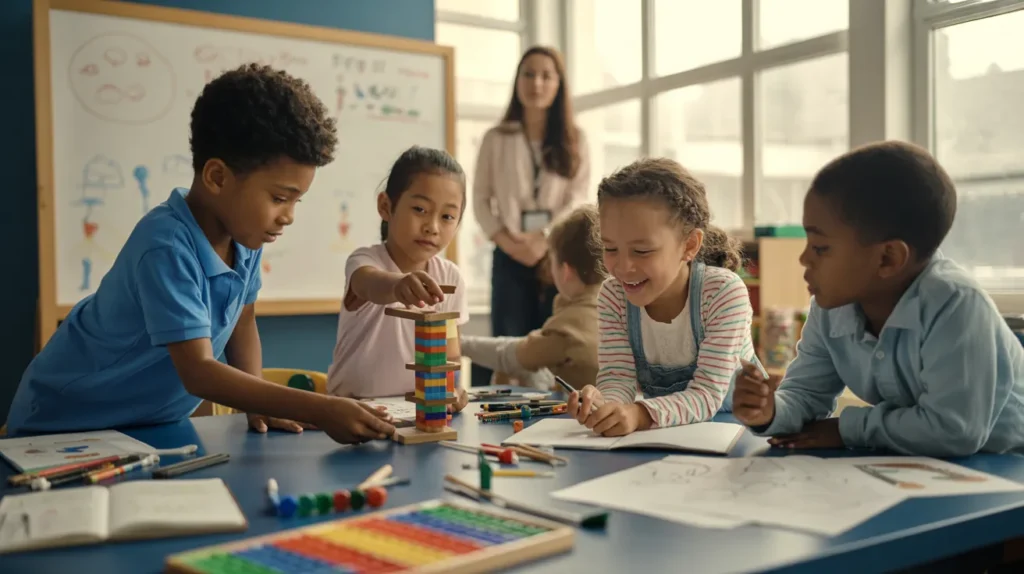
In the fast-evolving landscape of education, traditional methods often fall short in nurturing the creativity and critical thinking skills essential for the 21st century. Teachers are now at a crossroads, faced with the urgent need to adopt innovative approaches that not only engage students but also prepare them for real-world challenges. One such transformative approach is Problem-Based Learning (PBL). This method immerses students in complex, real-world problems, compelling them to think critically, collaborate effectively, and develop creative solutions. The urgency to integrate PBL into classrooms has never been more pressing, as the demand for creative problem solvers in the workforce continues to rise.
Educational marketing strategies are increasingly highlighting the importance of creativity in education. Schools and educational institutions that fail to adapt risk falling behind in preparing students for the future. The integration of PBL is not merely an option but a necessity for educators aiming to foster an environment where creativity thrives. As we delve deeper into the mechanisms of PBL, it becomes evident that this approach is not just about solving problems but about igniting the creative potential within every student.
Understanding Problem-Based Learning
Problem-Based Learning is an instructional method where students learn through the methodical exploration of complex, real-world problems. Unlike traditional teaching, where information is presented to students, PBL encourages learners to take an active role in their education. They identify what they need to learn, seek out resources, and collaborate with peers to develop solutions. This student-centered approach shifts the focus from rote memorization to the application of knowledge in practical scenarios.
The effectiveness of PBL in fostering creativity lies in its structure. By presenting students with open-ended problems, PBL creates an environment where there are no predefined answers. This uncertainty challenges students to think divergently, consider multiple perspectives, and devise innovative solutions. Such an approach not only enhances creative thinking but also prepares students to tackle the multifaceted problems they will encounter in their professional lives.
The Role of Teachers in Facilitating Creativity
Teachers play a pivotal role in the success of PBL. Their primary function shifts from being the sole source of knowledge to becoming facilitators of learning. In this capacity, teachers guide students through the problem-solving process, providing support and resources as needed. They create a classroom environment that encourages risk-taking, values diverse ideas, and promotes collaborative learning.
Effective facilitation involves asking probing questions that stimulate critical thinking, encouraging students to explore various solutions, and providing constructive feedback that guides their learning journey. Teachers also model creative thinking by demonstrating how to approach problems from different angles and how to persist in the face of challenges. By embodying these behaviors, teachers set a powerful example for their students, showing them that creativity is not an innate trait but a skill that can be developed and honed.
Benefits of Problem-Based Learning in Enhancing Creativity
The benefits of PBL extend far beyond the development of creative solutions to problems. Research has shown that students engaged in PBL exhibit improved critical thinking skills, better retention of knowledge, and a deeper understanding of the subject matter. The collaborative nature of PBL fosters communication skills and teamwork, essential components in today’s interconnected world.
Moreover, PBL instills a sense of ownership in students over their learning process. As they navigate through problems, students learn to manage their time effectively, set goals, and evaluate their progress. This autonomy boosts their confidence and motivation, further fueling their creative endeavors. The real-world relevance of the problems tackled in PBL also enhances student engagement, as learners can see the direct application of their work beyond the classroom.
Integrating Educational Marketing Strategies into PBL
Incorporating educational marketing strategies into PBL can amplify its impact. By aligning classroom projects with real-world marketing challenges, educators can provide students with authentic experiences that mirror the complexities of the business world. This integration allows students to apply their creative problem-solving skills to develop marketing campaigns, conduct market research, or devise strategies to address consumer needs.
Such projects not only enhance creativity but also prepare students for careers in marketing and related fields. They learn to analyze market trends, understand consumer behavior, and develop strategies that are both innovative and effective. Furthermore, by presenting their solutions to real-world problems, students gain confidence in their abilities and are better equipped to enter the workforce with practical experience and a creative mindset.
Real-World Applications and Success Stories
Numerous schools and educational institutions have successfully implemented PBL to foster creativity among students. For instance, a study conducted at Purdue University found that students engaged in PBL demonstrated significant improvements in creative thinking and problem-solving abilities. These students tackled complex, real-world problems, requiring them to think critically and creatively to devise solutions.
Another example comes from the University of South Australia, where PBL was used to address community issues. Students worked on projects that had tangible impacts, such as developing solutions for local environmental challenges. This hands-on approach not only enhanced their creativity but also instilled a sense of social responsibility and the ability to apply their learning to real-world contexts.
Challenges and Considerations in Implementing PBL
While PBL offers numerous benefits, its implementation is not without challenges. Teachers may face difficulties in designing and managing complex problems that are both engaging and educational. Additionally, the shift from traditional teaching methods to a student-centered approach requires significant changes in classroom dynamics and teacher-student relationships.
Moreover, assessing student performance in PBL can be challenging, as traditional testing methods may not adequately capture the depth of learning and creativity demonstrated. Educators must develop alternative assessment strategies that evaluate not only the solutions students propose but also their problem-solving processes, collaboration skills, and ability to think critically and creatively.
Strategies for Overcoming Implementation Challenges
To overcome these challenges, educators can adopt several strategies. First, professional development opportunities can equip teachers with the skills and knowledge needed to effectively implement PBL. Workshops, seminars, and collaborative planning sessions can provide teachers with the tools to design meaningful problems and facilitate student learning.
Second, schools can foster a culture that supports innovation and risk-taking. By encouraging experimentation and viewing failures as learning opportunities, educators can create an environment where creativity is valued and nurtured. Collaboration among teachers across disciplines can also enhance the PBL experience, as it allows for the integration of diverse perspectives and expertise.
The Future of Creativity in Education
The future of education hinges on the ability to cultivate creativity in students. As the world becomes increasingly complex and interconnected, the demand for individuals who can think critically, solve problems creatively, and collaborate effectively continues to grow. PBL stands at the forefront of this educational revolution, offering a dynamic and engaging approach to learning that prepares students for the challenges of tomorrow.
Educational marketing strategies that promote the integration of PBL into curricula are essential in driving this change. Schools and institutions that embrace PBL not only enhance student creativity but also position themselves as leaders in innovative education. The time to act is now; educators must seize the opportunity to transform classrooms into incubators of creativity, ensuring that students are equipped with the skills necessary to thrive in an ever-evolving world.
By leveraging resources like printable materials and utilizing platforms effectively, teachers can enhance their classroom experience. For seamless access to these tools, consider the Espresso Education login to unlock a wealth of resources at your fingertips.