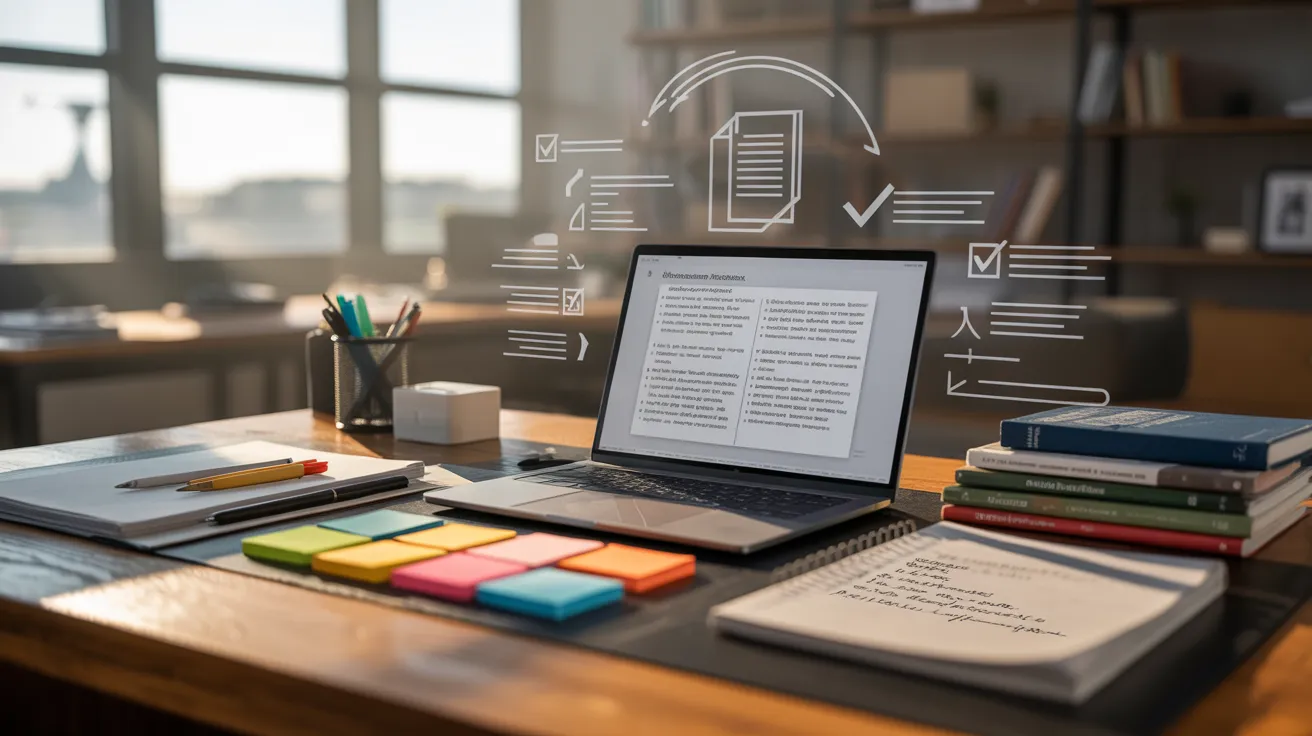
Understanding what is a technical skill is becoming increasingly important in today’s digital world. Whether you’re a student preparing for your first job, a professional planning a career change, or an employer evaluating candidates, technical skills play a major role in education and the workplace. These practical abilities enable people to perform specific tasks using specialized knowledge, tools, software, equipment, or methods.
As technology continues to shape nearly every industry, developing technical competence has become essential for long-term career growth. This guide explains the technical skills definition, explores different categories of technical skills, discusses technical competency, and highlights why building technical know-how can open more opportunities in almost every profession.
What Is a Technical Skill?
A technical skill is a practical, teachable ability that allows someone to perform a specific task efficiently. Unlike personality traits or communication abilities, technical skills are usually learned through education, certification programs, hands-on training, workshops, or professional experience.
The simplest technical skills definition is:
Technical skills are specialized abilities used to complete measurable tasks with specific tools, technologies, systems, or procedures.
Examples include:
- Programming
- Graphic design
- Spreadsheet analysis
- Cybersecurity
- Accounting software
- Video editing
- Cloud computing
- Computer networking
- Database management
- CAD software
These abilities can usually be demonstrated, tested, and improved through continuous practice.
Why Technical Skills Matter
Modern workplaces increasingly rely on digital tools and specialized technologies. Employees who possess strong technical competence can solve problems faster, complete projects accurately, and adapt more easily to changing technology.
Technical skills benefit individuals by helping them:
- Qualify for specialized positions
- Increase employability
- Improve workplace productivity
- Adapt to evolving technologies
- Earn industry certifications
- Support career advancement
For organizations, technically skilled employees often contribute to greater efficiency, innovation, and operational success.
Technical Skills Definition Across Different Industries
The meaning of technical skills varies depending on the profession. Every field has its own specialized knowledge and tools.
Information Technology
- Programming languages
- Cloud platforms
- Cybersecurity
- Database administration
- Network management
Healthcare
- Electronic medical records
- Medical imaging
- Clinical laboratory procedures
- Diagnostic equipment
Engineering
- CAD software
- Blueprint interpretation
- Project estimation
- Simulation software
Marketing
- SEO
- Google Analytics
- Email automation
- Social media advertising
- Content management systems
Finance
- Financial modeling
- Accounting software
- Excel analysis
- Tax preparation software
What Is Technical Competence?
Technical competence refers to the ability to consistently apply technical knowledge effectively in practical situations. It combines theoretical understanding with hands-on experience.
Someone with technical competence can:
- Use industry tools correctly
- Troubleshoot problems
- Follow technical procedures
- Maintain quality standards
- Continue learning as technology evolves
Employers often value technical competence because it demonstrates both knowledge and the ability to apply that knowledge in real-world situations.
Technical Competency Explained
Although people sometimes use the terms interchangeably, technical competency usually refers to the measurable level of proficiency someone has in a particular technical area.
For example, a software developer’s technical competency may include:
- Writing clean code
- Debugging applications
- Using Git version control
- Working with cloud platforms
- Testing software efficiently
Organizations frequently evaluate technical competency during hiring, promotions, certifications, and performance reviews.
What Does Technical Know-How Mean?
Technical know how describes the practical understanding gained through experience rather than theory alone. It includes knowing how to perform tasks efficiently, avoid common mistakes, and solve unexpected problems.
Someone may learn software in a classroom, but real technical know-how develops after using it regularly in practical situations.
This practical experience often becomes one of the most valuable assets professionals can build throughout their careers.
Technical Background Meaning
The phrase technical background meaning refers to a person’s education, training, certifications, and work experience involving specialized technical knowledge.
A technical background may include:
- Computer science degrees
- Engineering education
- IT certifications
- Vocational training
- Industry experience
- Technical projects
Employers often ask about technical background to determine whether candidates possess the foundational knowledge needed for a specific role.
How Technical Skills Are Learned
Technical skills can be developed through multiple learning pathways.
- University degrees
- Technical colleges
- Professional certifications
- Online learning platforms
- Bootcamps
- Workplace training
- Internships
- Personal projects
- Open-source contributions
Continuous learning remains important because technology evolves rapidly across industries.
Examples of Technical Skills
Some of today’s most valuable technical skills include:
- Python programming
- JavaScript development
- Data analysis
- Artificial intelligence tools
- Machine learning basics
- Cloud computing
- Cybersecurity
- Digital marketing
- Video production
- UX/UI design
- SQL databases
- Project management software
- Microsoft Excel
- Microsoft Power BI
- Adobe Creative Cloud
How to Improve Your Technical Skills
Improving technical skills requires ongoing learning and practical application.
- Take professional certification courses.
- Practice using industry-standard software.
- Build personal projects.
- Join technical communities.
- Follow industry updates.
- Complete hands-on exercises.
- Seek mentorship.
- Apply new skills in real-world situations.
Even spending a few hours each week developing technical abilities can lead to noticeable career growth over time.
Technical Skills vs Workplace Skills
While technical skills help professionals perform specialized tasks, workplace success also depends on communication, teamwork, leadership, and adaptability.
In our upcoming guide on soft skills vs technical skills, we’ll explore how combining both skill sets creates stronger career opportunities.
You’ll also find our upcoming resource on the technical skills list, which covers the most in-demand technical abilities across different industries.
Final Thoughts
Understanding what is a technical skill is the first step toward building a successful career in today’s technology-driven economy. Technical skills represent practical abilities that can be learned, measured, and continuously improved. Whether you’re developing technical competence, expanding your technical competency, or strengthening your technical know-how, investing in these specialized abilities can significantly increase your career opportunities.
As industries continue adopting new technologies, lifelong learning will remain essential. Building strong technical skills today prepares you for tomorrow’s workplace while creating a solid foundation for professional growth.
For additional guidance on building digital and technical competencies, explore resources from the Coursera career guide on technical skills, which provides further insights into developing in-demand workplace abilities.