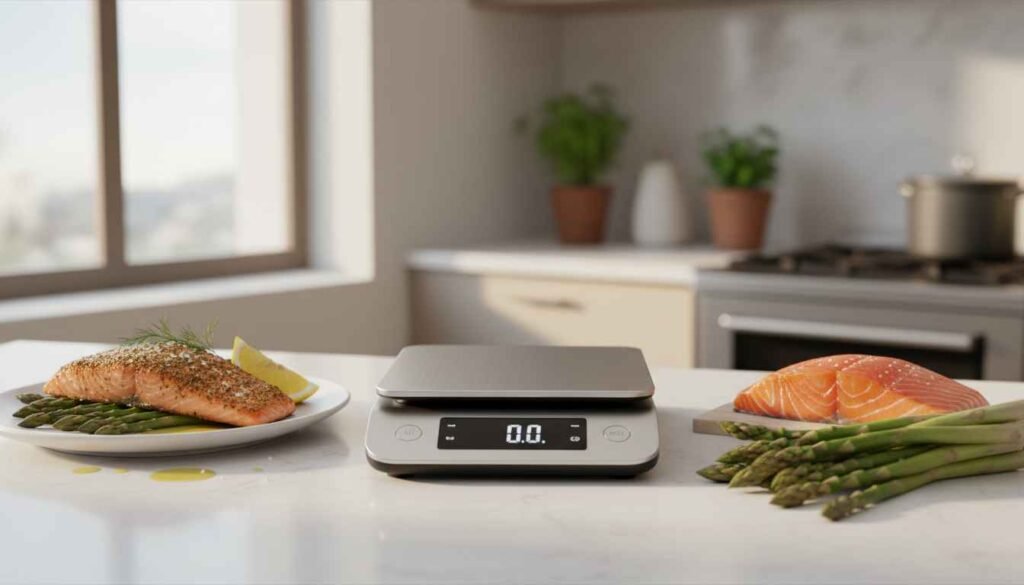
Money never sleeps. Neither does the pursuit of precision in the kitchen. Whether you’re tracking macros, meal prepping for the week, or managing a strict diet, knowing whether to weigh food cooked or uncooked can make a dramatic difference in your results. This isn’t just a trivial detail – it’s a decision that impacts calories, nutrients, and overall portion control.
Understanding the Science Behind Food Weight
Food changes composition during cooking. Proteins denature, water evaporates, and fats either render or absorb depending on the method. A raw chicken breast might weigh 200 grams, but after grilling, it can drop to 150 grams due to water and fat loss. This transformation affects nutritional data and serving sizes. Understanding this principle is crucial for anyone serious about diet accuracy or culinary precision.
The Raw vs Cooked Debate
One of the most common questions among culinary professionals and nutritionists alike is whether to weigh food before or after cooking. Raw weight offers consistency. Ingredients are measured in their natural state, which is essential when following recipes or comparing nutritional databases. Cooked weight, on the other hand, reflects the portion you’ll actually eat, providing practical relevance for serving sizes.
For example, rice doubles in weight when cooked, absorbing water in the process. A cup of dry rice weighing 185 grams will yield approximately 370 grams of cooked rice. Without accounting for this, one could overestimate calories or carbs if relying solely on raw measurements. Similarly, vegetables like spinach shrink significantly when sautéed, meaning a portion measured raw may seem larger than its cooked counterpart.
How to Decide Which Method to Use
Deciding between raw and cooked measurements often depends on your goal. If accuracy in macronutrient intake is critical, especially for those counting calories or following strict diets, raw weight is preferred. This is because food labels and nutritional databases predominantly list raw weight values, providing consistency across measurements. However, for portion control and meal presentation, weighing cooked food may be more practical.
For instance, a fitness enthusiast might want to know the exact protein content of their grilled chicken. Weighing raw ensures they know how much protein is consumed before water and fat loss alter the number. On the flip side, a chef plating meals for a restaurant may prioritize cooked weight for visual consistency and serving sizes, ensuring every guest receives an equal portion.
Factors That Affect Food Weight Changes
Several factors influence how food weight changes during cooking. Water content is the primary factor. Foods with high water content, like vegetables and meats, tend to lose significant weight when cooked. Fat content also plays a role, as meats can release fat during grilling or roasting. Cooking method matters too: boiling often preserves weight, steaming maintains more moisture, while roasting and grilling lead to greater loss.
Understanding these variables can save time and frustration. For example, if you want a 100-gram serving of cooked salmon, you need to weigh approximately 120-130 grams raw to account for moisture loss. Keeping a small chart for frequently cooked foods can streamline meal prep and improve accuracy, reducing guesswork.
Expert Tip on Consistency
Professional dietitians recommend standardizing your approach. Choose one method – raw or cooked – and stick with it. Switching between the two can cause confusion and inconsistencies, especially if tracking calories or macronutrients over time. Consistency is the key to reliable measurements and meaningful data.
When shopping for ingredients, Essex Market offers a variety of fresh produce and proteins that are ideal for weighing and prepping both raw and cooked portions. Access to high-quality, consistent ingredients ensures your measurements are precise and your meals are as nutritious as intended.
Potential Drawbacks
Weighing food cooked or uncooked is not without its challenges. Raw measurements require precise knowledge of expected weight loss during cooking, which can vary by method, temperature, and even the individual food item. Cooked measurements, while practical, can misrepresent nutritional content if you rely on raw weight data from labels. For those tracking macros, these discrepancies can accumulate over time.
Additionally, some foods, particularly those high in water, can shrink unpredictably. Spinach and mushrooms, for instance, lose up to 90% of their raw weight when cooked. Without careful tracking, this could result in significant miscalculations in portion sizes and nutrient intake.
How Technology Can Help
Smart kitchen scales are a game-changer for anyone serious about accurate food weighing. Many modern scales allow you to measure in raw or cooked units, track macros, and even store personalized profiles for frequently used foods. By integrating technology, you eliminate much of the guesswork and gain confidence that your portions and nutritional data are reliable.
Who Should Avoid This?
While weighing food is highly beneficial for precise nutrition and cooking, it may not be necessary for everyone. Casual eaters or those not tracking macronutrients can rely on approximate portions without significant impact. Obsessive weighing can also lead to stress or unhealthy relationships with food. It’s essential to balance precision with practicality and mental well-being.
Conclusion
Weighing food cooked or uncooked is more than just a kitchen habit; it’s a science-driven approach to precision, consistency, and optimal results. Raw weight offers reliability for nutritional tracking, while cooked weight provides real-world portion accuracy. By understanding how cooking affects weight, applying consistent methods, and leveraging technology, you can take full control over your meals and nutrition.
In the end, whether you choose to weigh your food before or after cooking, the key is consistency and awareness of the impact cooking methods have on weight and nutrients. With proper technique, you can ensure that every meal you prepare aligns with your dietary goals and culinary ambitions.
Expert Rating: 9/10 – Highly recommended for accuracy and portion control