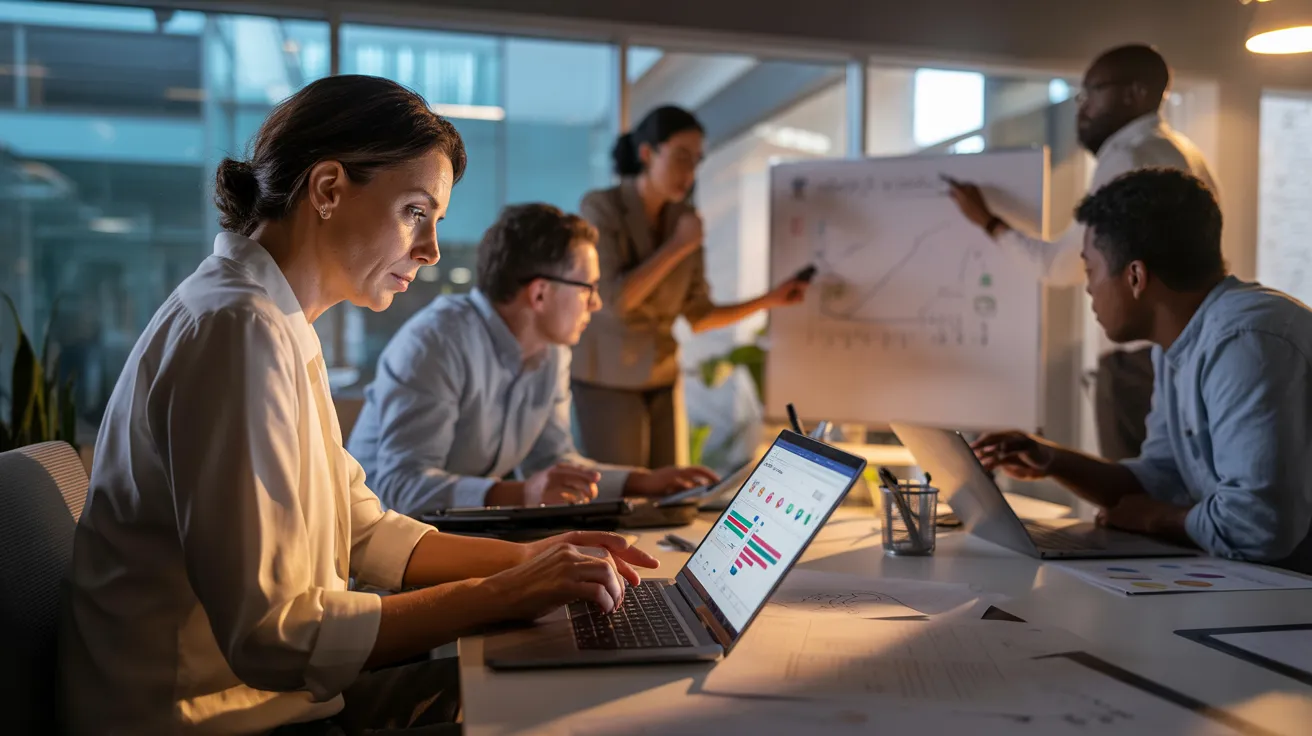
Imagine a classroom where students are not just memorizing facts but are actively solving real-world problems, collaborating with professionals, and applying their learning to make a tangible impact. This is the future of education, and it’s happening now. But here’s the catch: if teachers aren’t equipped to make this shift, the opportunity slips away. The urgency to train educators in integrating real-world applications into their lessons has never been more critical. Without this transformation, we risk leaving students unprepared for the complexities of the modern world. This article delves into the strategies, tools, and mindsets necessary to empower teachers to bring the real world into the classroom.
The Imperative of Real-World Learning
In today’s rapidly evolving world, the traditional model of education – focused solely on rote memorization and standardized testing – is no longer sufficient. Students must be prepared to navigate a landscape characterized by technological advancements, global interconnectedness, and complex societal challenges. Real-world learning bridges the gap between theoretical knowledge and practical application, ensuring that students acquire skills that are directly relevant to their futures. By embedding real-world applications into lessons, educators can foster critical thinking, problem-solving, and adaptability – skills that are indispensable in the 21st century.
However, the transition to real-world learning is not without its challenges. Teachers may feel overwhelmed by the prospect of redesigning curricula, integrating new technologies, or collaborating with external partners. Yet, the benefits far outweigh the obstacles. Schools that have embraced this approach report increased student engagement, improved academic performance, and a stronger sense of purpose among learners. The question is not whether we can afford to make this change, but whether we can afford not to.
Understanding the Teacher’s Role in Real-World Learning
Teachers are the linchpins in the shift towards real-world learning. Their ability to connect classroom content to real-life contexts determines the relevance and impact of education. To effectively incorporate real-world applications, teachers must adopt a facilitator mindset, guiding students through authentic tasks that mirror the complexities of the outside world. This requires a deep understanding of the subject matter, creativity in lesson design, and a commitment to continuous professional development.
Moreover, teachers must cultivate a classroom environment that encourages exploration, collaboration, and critical inquiry. This involves moving away from the traditional lecture-based model and embracing student-centered pedagogies such as project-based learning, inquiry-based learning, and experiential learning. By doing so, educators not only enhance the learning experience but also model the skills and dispositions they wish to instill in their students.
Professional Development: The Gateway to Transformation
For teachers to effectively integrate real-world applications into their lessons, targeted professional development is essential. This training should go beyond theoretical knowledge, providing educators with practical strategies, tools, and resources they can immediately implement in the classroom. Workshops, seminars, and online courses focusing on real-world learning methodologies can equip teachers with the necessary skills and confidence.
Additionally, fostering a culture of collaboration among educators can facilitate the sharing of best practices and innovative ideas. Schools and districts should encourage peer observations, co-teaching opportunities, and professional learning communities where teachers can learn from one another’s experiences. By investing in professional development, educational institutions demonstrate a commitment to continuous improvement and a recognition of the teacher’s pivotal role in student success.
Leveraging Technology to Enhance Real-World Learning
In the digital age, technology serves as a powerful tool to connect classroom learning with real-world applications. Virtual simulations, online collaboration platforms, and access to global information resources enable students to engage with content in dynamic and interactive ways. For instance, students can participate in virtual field trips, collaborate with peers from different cultures, or analyze real-time data to solve authentic problems.
Teachers can harness these technological tools to create immersive learning experiences that transcend traditional classroom boundaries. However, it’s crucial to ensure equitable access to technology and provide adequate training for both educators and students. Without proper support, the digital divide can exacerbate existing educational inequalities. Therefore, schools must prioritize digital literacy and infrastructure to fully realize the potential of technology in enhancing real-world learning.
Building Partnerships with Industry and Community
One of the most effective ways to integrate real-world applications into lessons is by establishing partnerships with local industries, businesses, and community organizations. These collaborations can provide students with firsthand experiences and insights into various professions and societal issues. Guest speakers, internships, mentorship programs, and service-learning projects are just a few examples of how external partnerships can enrich the curriculum.
Such partnerships not only enhance the relevance of education but also bridge the gap between academic learning and career readiness. Students gain a deeper understanding of the skills and knowledge required in the workforce, while teachers benefit from exposure to current industry practices and trends. By fostering these connections, schools can create a more holistic and impactful learning experience for students.
Assessment Strategies for Real-World Learning
Traditional assessment methods, such as standardized tests, often fail to capture the depth and breadth of real-world learning. To accurately evaluate student progress in this context, alternative assessment strategies are necessary. Performance-based assessments, portfolios, peer evaluations, and self-reflections are effective tools for measuring the application of knowledge and skills in authentic situations.
These assessment methods align more closely with the objectives of real-world learning, emphasizing critical thinking, problem-solving, and collaboration. They also provide a more comprehensive picture of student development, capturing both academic achievements and personal growth. By adopting diverse assessment strategies, educators can ensure that evaluations are meaningful and reflective of students’ abilities to navigate real-world challenges.
Overcoming Challenges in Implementing Real-World Learning
Despite the clear benefits, implementing real-world learning can be met with resistance and challenges. Time constraints, curriculum limitations, lack of resources, and standardized testing pressures are common obstacles educators face. However, these challenges are not insurmountable. With strategic planning, resourcefulness, and support from school leadership, teachers can overcome these barriers.
For example, integrating real-world applications doesn’t necessarily require overhauling the entire curriculum. Teachers can start by incorporating small, manageable projects that connect classroom content to real-life contexts. Gradually expanding these initiatives allows for a smoother transition and demonstrates the effectiveness of real-world learning. Additionally, advocating for policy changes that prioritize authentic assessments and reduce the emphasis on standardized testing can create a more conducive environment for real-world learning.
The Role of Education Reform Podcasts in Professional Growth
Education reform podcasts have emerged as valuable resources for teachers seeking to enhance their professional development. These podcasts offer insights into innovative teaching practices, policy discussions, and success stories from educators around the world. Programs like The Cult of Pedagogy Podcast, Inclusive Education Project (IEP) Podcast, and Rethinking Education provide diverse perspectives on integrating real-world applications into lessons and navigating the complexities of education reform.
Listening to these podcasts allows educators to stay informed about the latest trends and research in education, gain inspiration from peers, and reflect on their own teaching practices. Incorporating podcast discussions into professional learning communities or faculty meetings can stimulate meaningful conversations and collaborative problem-solving. By engaging with education reform podcasts, teachers can continuously evolve and adapt their approaches to meet the needs of their students.
Don’t miss out on the wealth of knowledge and inspiration these podcasts offer. Tune in today and start transforming your teaching practice.