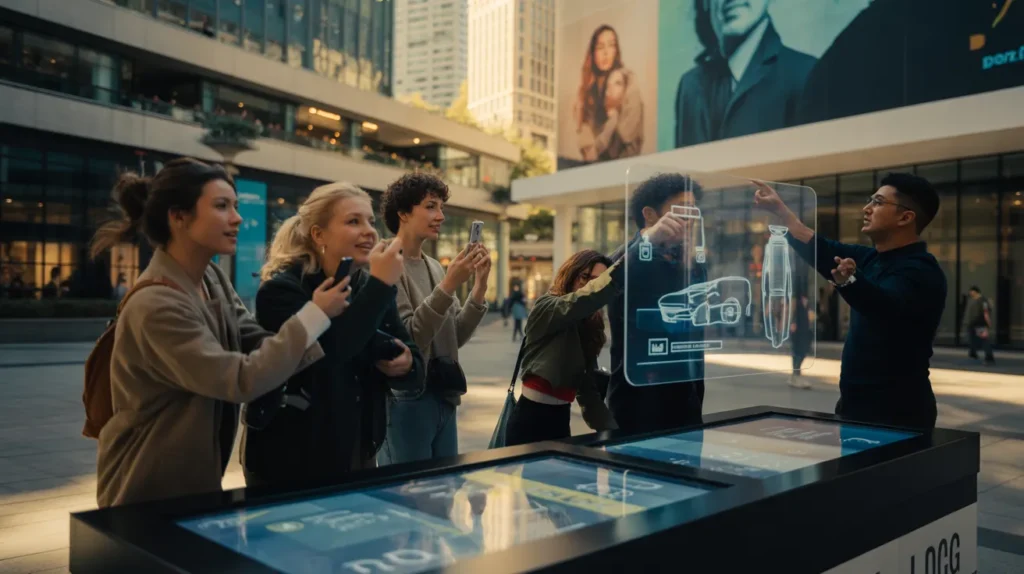
In the fast-paced world of modern marketing, where digital noise often drowns out genuine connections, brands are increasingly turning to experiential marketing to break through the clutter. This approach goes beyond traditional advertising by immersing consumers in memorable, interactive experiences that forge deeper emotional connections. But how can your brand leverage this strategy to stand out and build lasting awareness? Let’s explore the transformative power of experiential marketing and how it can elevate your brand presence.
Understanding Experiential Marketing: Beyond Traditional Advertising
Experiential marketing, often referred to as engagement or live marketing, involves creating immersive, interactive experiences that allow consumers to engage with a brand in a tangible way. Unlike traditional advertising, which delivers a message to a passive audience, experiential marketing invites consumers to actively participate, making the brand experience more memorable and impactful. These campaigns can take various forms, including pop-up events, interactive installations, and immersive brand activations.
The core of experiential marketing lies in its ability to create emotional connections. By engaging multiple senses and providing hands-on experiences, brands can leave a lasting impression on consumers. For instance, a well-executed experiential campaign can transform a simple product demonstration into an unforgettable event, fostering brand loyalty and advocacy.
The Power of Sensory Engagement in Experiential Campaigns
One of the most compelling aspects of experiential marketing is its ability to engage the senses. When consumers can see, touch, hear, and even smell a brand, the experience becomes more immersive and memorable. Sensory engagement not only captures attention but also evokes emotions, making the brand experience more personal and impactful.
Consider a fragrance brand hosting an interactive scent experience where participants can create their own custom blends. The act of mixing scents and discovering new fragrances engages the sense of smell and creates a personal connection to the brand. Such sensory experiences not only captivate consumers but also encourage them to share their experiences, amplifying brand awareness through word-of-mouth and social media.
Leveraging Technology to Enhance Experiential Marketing
Incorporating technology into experiential marketing campaigns can elevate the consumer experience and extend the reach of the campaign. Augmented reality (AR), virtual reality (VR), and interactive digital displays are just a few examples of how technology can be used to create engaging brand experiences.
For example, a fashion retailer might use AR to allow customers to virtually try on clothes, providing an interactive and personalized shopping experience. Similarly, a car brand could use VR to let consumers experience a test drive from the comfort of their own home. By integrating technology, brands can offer innovative experiences that resonate with tech-savvy consumers and create buzz around their products or services.
Case Study: Coca-Cola’s “Share a Coke” Campaign
One of the most successful examples of experiential marketing is Coca-Cola’s “Share a Coke” campaign. Launched in 2011, the campaign replaced the brand’s iconic logo on bottles with popular names, encouraging consumers to find bottles with their own names or the names of friends and family. This personalized approach created a sense of connection and excitement, leading to increased sales and widespread social media sharing.
The campaign’s success lies in its ability to make consumers feel special and included. By personalizing the product, Coca-Cola transformed a simple beverage into a personal experience, fostering emotional connections and enhancing brand awareness. This case study illustrates the power of personalization in experiential marketing and its potential to drive consumer engagement.
Creating Shareable Moments to Amplify Brand Reach
In today’s digital age, consumers are eager to share their experiences on social media, making it essential for brands to create shareable moments. Experiential marketing campaigns that encourage social sharing can significantly amplify brand reach and awareness.
To create shareable moments, brands should design experiences that are visually appealing, unique, and encourage participation. For instance, a beauty brand might set up a pop-up makeup station where customers can receive complimentary makeovers and share their new looks on social media. By incorporating branded hashtags and offering incentives for sharing, brands can increase their visibility and reach a broader audience.
Measuring the Impact of Experiential Marketing Campaigns
While the benefits of experiential marketing are evident, measuring its impact can be challenging. Unlike traditional advertising, which often relies on metrics like impressions and click-through rates, experiential marketing requires a more nuanced approach to measurement.
Key performance indicators (KPIs) for experiential marketing campaigns may include social media engagement, brand sentiment analysis, attendee feedback, and post-event sales data. By collecting and analyzing these metrics, brands can assess the effectiveness of their campaigns and make data-driven decisions for future initiatives.
Integrating Experiential Marketing into Your Overall Strategy
For experiential marketing to be effective, it must be integrated into the brand’s overall marketing strategy. This integration ensures consistency in messaging and reinforces the brand’s values and objectives.
Brands should align their experiential campaigns with their broader marketing goals, whether it’s launching a new product, entering a new market, or enhancing brand loyalty. By ensuring that experiential marketing efforts support and amplify other marketing initiatives, brands can create a cohesive and impactful brand experience for consumers.
Overcoming Challenges in Experiential Marketing
While experiential marketing offers numerous benefits, it also presents unique challenges. These can include logistical complexities, budget constraints, and the need for skilled personnel to execute the campaigns effectively.
To overcome these challenges, brands should plan their campaigns meticulously, allocate resources wisely, and collaborate with experienced partners. By anticipating potential obstacles and developing strategies to address them, brands can execute successful experiential marketing campaigns that deliver tangible results.
The Future of Experiential Marketing: Trends to Watch
The landscape of experiential marketing is continually evolving, driven by technological advancements and changing consumer preferences. To stay ahead, brands must be adaptable and forward-thinking.
Emerging trends in experiential marketing include the use of artificial intelligence to personalize experiences, the integration of sustainability practices into campaigns, and the rise of hybrid events that combine in-person and virtual elements. By embracing these trends, brands can create innovative and relevant experiences that resonate with today’s consumers.
In conclusion, experiential marketing offers a powerful way for brands to enhance awareness, foster emotional connections, and create memorable experiences. By understanding its principles, leveraging sensory engagement, incorporating technology, and measuring impact, brands can execute successful campaigns that drive consumer engagement and loyalty. As the marketing landscape continues to evolve, staying informed about emerging trends and integrating them into your strategy will ensure your brand remains relevant and top-of-mind for consumers.
By integrating experiential marketing and event campaigns, brands like bcs education center can create lasting customer connections that enhance brand awareness and loyalty.