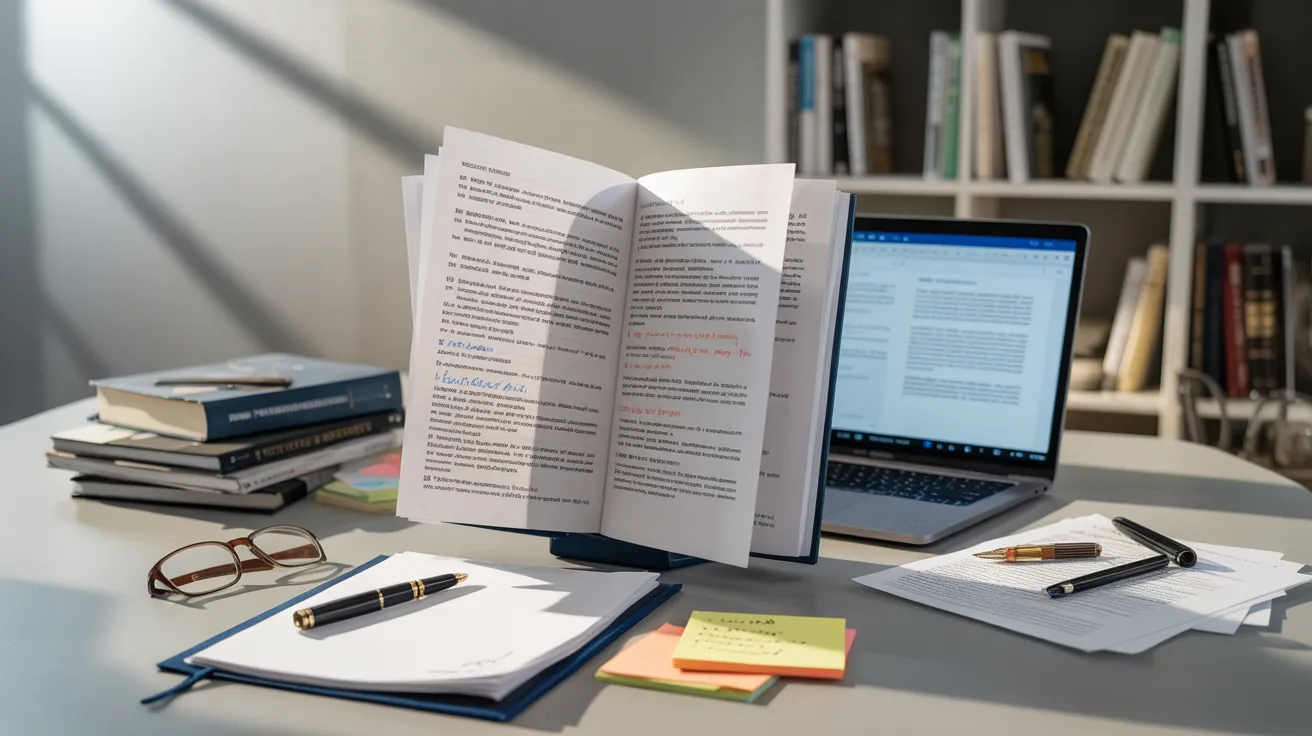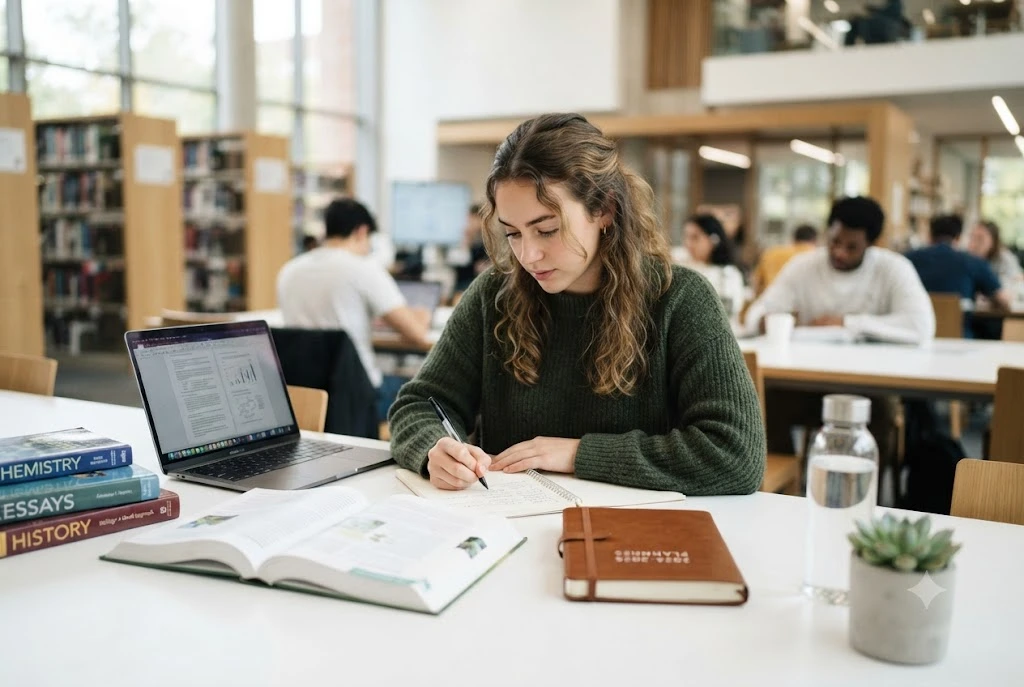
Learning how to be a better student isn’t about being naturally gifted or studying for endless hours. Instead, it comes down to developing smart habits, staying organized, and maintaining a positive attitude toward learning. Whether you’re in middle school, high school, college, or pursuing adult education, improving your approach can lead to better grades, greater confidence, and less stress.
Many students wonder how can I be a better student or how to become smart in class. The good news is that academic success is a skill that can be developed with consistency and the right strategies. This guide explores practical techniques that help students maximize their potential while creating habits that support lifelong learning.
Why Learning How to Be a Better Student Matters
Being a better student goes beyond earning high grades. Strong learning habits help you develop critical thinking, communication, time management, and problem-solving skills that are valuable throughout your education and career.
Students who actively improve their study habits often experience:
- Greater confidence during classes and exams.
- Reduced academic stress.
- Improved concentration.
- Better relationships with teachers and classmates.
- Long-term learning instead of short-term memorization.
How to Be a Better Student by Setting Clear Academic Goals
Every successful student begins with clear objectives. Goals provide motivation and direction while helping you measure progress.
Create SMART Goals
Instead of saying “I want better grades,” create measurable goals like:
- Study mathematics for 45 minutes every weekday.
- Complete assignments two days before deadlines.
- Improve science test scores by one letter grade this semester.
Breaking larger goals into smaller milestones makes progress more manageable.
Build a Consistent Study Routine
One of the best answers to how to become a better student is creating consistency. Studying a little every day is far more effective than cramming before exams.
Develop a Weekly Schedule
Set dedicated study periods for each subject and protect that time from distractions.
- Study at the same time daily.
- Take regular breaks.
- Review notes after every class.
- Leave time for revision before tests.
Students looking to improve productivity may also benefit from learning effective scheduling techniques discussed in our guide on time management for students.
Stay Organized Throughout the Semester
Organization reduces stress and prevents missed assignments.
Useful organizational habits include:
- Using a planner or digital calendar.
- Keeping folders for each subject.
- Maintaining organized digital files.
- Tracking assignment deadlines.
- Creating weekly priority lists.
Simple organizational systems often save hours of unnecessary work later.
How Can I Be a Better Student During Class?
Classroom participation plays a major role in academic improvement.
Arrive Prepared
Bring required materials, complete assigned readings, and review previous notes before class begins.
Take Effective Notes
Instead of writing every word, summarize key ideas, examples, and questions for later review.
Participate Actively
Students who ask thoughtful questions and contribute to discussions typically retain information more effectively.
Improve Your Study Techniques
Reading the same pages repeatedly is rarely the most effective learning strategy.
Try techniques such as:
- Active recall.
- Practice testing.
- Flashcards.
- Teaching concepts to someone else.
- Mind mapping.
- Spaced repetition.
Research published by the American Psychological Association supports active learning methods that improve long-term memory and retention.
How to Become Smart in Class
Many students ask how to become smart in class, but intelligence isn’t fixed. Strong classroom performance usually reflects preparation, curiosity, and consistent practice rather than natural talent.
Students can improve classroom performance by:
- Reviewing lessons before class.
- Previewing upcoming topics.
- Connecting new ideas with previous knowledge.
- Listening actively.
- Participating respectfully.
Over time, these habits make learning feel easier and more natural.
Manage Your Time Effectively
Good students understand that time is one of their most valuable resources.
Helpful strategies include:
- Prioritize important assignments first.
- Break large projects into smaller tasks.
- Avoid procrastination.
- Limit multitasking.
- Use timers for focused study sessions.
If procrastination is a challenge, explore our article on how to stop procrastinating as a student for additional practical strategies.
Take Care of Your Physical and Mental Health
Academic success depends heavily on overall well-being.
Healthy habits include:
- Getting enough sleep.
- Eating balanced meals.
- Exercising regularly.
- Managing stress.
- Taking regular study breaks.
A healthy body supports better concentration, memory, and decision-making.
Build Positive Relationships with Teachers
Teachers are valuable learning partners.
Don’t hesitate to:
- Ask questions.
- Request clarification.
- Seek feedback.
- Attend office hours when available.
- Show appreciation for guidance.
Strong communication often leads to better academic understanding.
Develop a Growth Mindset
One of the biggest differences between struggling and successful students is mindset.
Instead of saying:
- “I’m bad at math.”
Try:
- “I haven’t mastered this topic yet.”
Viewing challenges as opportunities encourages persistence and continuous improvement.
Limit Digital Distractions
Phones, social media, and notifications can interrupt focus within seconds.
Create distraction-free study sessions by:
- Turning off notifications.
- Studying away from your phone.
- Using website blockers when needed.
- Setting focused study intervals.
Even reducing distractions by a small amount can significantly improve productivity.
Review Your Progress Regularly
Academic improvement requires reflection.
Each week, ask yourself:
- What worked well?
- What distracted me?
- Which subjects need more attention?
- What should I improve next week?
Regular self-assessment helps students continuously refine their learning strategies.
Final Thoughts on How to Be a Better Student
Understanding how to be a better student isn’t about becoming perfect overnight. Small, consistent improvements in study habits, organization, classroom participation, and personal well-being can produce remarkable long-term results.
If you’ve ever wondered how can I be a better student, how to become a better student, or how to be a great student, remember that success comes from steady progress rather than perfection. By applying the strategies in this guide and continuing to build productive learning habits, you’ll be better prepared for academic challenges and future opportunities.