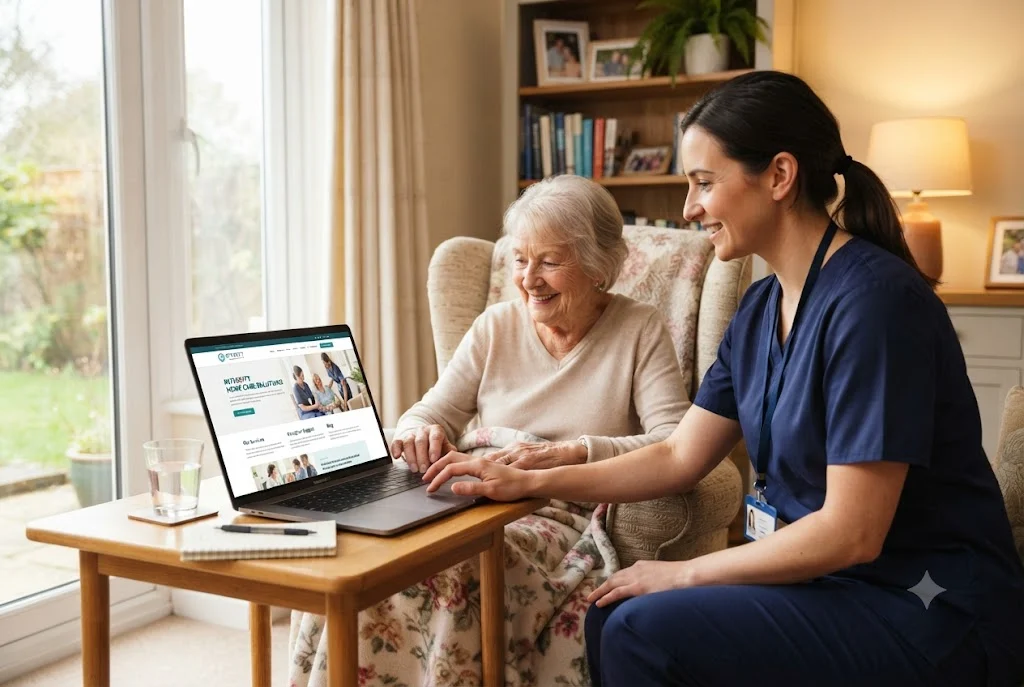
A professional website is one of the most valuable digital assets for any home care agency. Effective home care website development helps providers establish trust, showcase services, attract qualified leads, and simplify communication with clients and caregivers. As more families search online for reliable home care solutions, having a responsive, secure, and informative website is no longer optional—it’s essential for business growth.
This guide explains everything you need to know about building a modern home care website, from essential features and design best practices to SEO strategies and long-term maintenance.
Why Home Care Website Development Matters
Families often begin their search for home care services online. Your website serves as the first impression of your agency, making it critical to communicate professionalism, compassion, and reliability.
A professionally developed website helps you:
- Build credibility and trust.
- Generate qualified inquiries.
- Explain your care services clearly.
- Improve local search visibility.
- Simplify appointment requests.
- Recruit qualified caregivers.
- Provide educational resources for families.
As healthcare businesses expand their digital presence, investing in custom web solutions creates a stronger foundation for long-term success.
Essential Features for Home Care Website Development
Responsive Design
Your website should provide an excellent experience across desktops, tablets, and smartphones. Responsive layouts improve usability while supporting better search engine rankings.
Clear Service Pages
Create dedicated pages describing each service, such as:
- Personal care
- Companion care
- Dementia support
- Respite care
- Post-hospital recovery
- Live-in care
Online Contact Forms
Simple inquiry forms encourage potential clients to request consultations quickly without needing lengthy phone conversations.
Appointment Scheduling
Integrating online scheduling improves convenience for families seeking immediate assistance.
Caregiver Recruitment Section
Many agencies continually hire caregivers. Include career pages with online application forms to streamline recruitment.
Testimonials and Reviews
Authentic client testimonials help build confidence and demonstrate your agency’s reputation.
Location Pages
If your agency serves multiple cities, individual location pages improve local SEO and help visitors find services in their area.
Frequently Asked Questions
An FAQ section answers common concerns regarding pricing, eligibility, scheduling, insurance, and caregiver qualifications.
Design Best Practices
Healthcare websites should focus on clarity, accessibility, and user trust rather than flashy visual effects.
- Simple navigation
- Readable typography
- Soft, professional color schemes
- High-quality photography
- Clear call-to-action buttons
- Fast-loading pages
- Accessible layouts
SEO Strategies for Home Care Websites
Search engine optimization helps your website appear when families search for care providers in their local area.
Key SEO practices include:
- Optimized page titles and meta descriptions.
- Local SEO targeting service areas.
- Keyword-focused service pages.
- Schema markup.
- Fast website performance.
- Mobile-friendly design.
- Educational blog content.
Businesses expanding their digital services can also learn from solutions like car rental app development, where user experience, booking functionality, and scalable architecture are equally important.
Website Development Process
1. Discovery and Planning
Understand business goals, target audiences, competitors, and service offerings before beginning design.
2. Information Architecture
Create an organized sitemap that makes navigation intuitive for visitors.
3. UI/UX Design
Design clean interfaces focused on usability, accessibility, and trust.
4. Website Development
Develop responsive pages using modern frameworks or content management systems while ensuring performance and security.
5. Content Integration
Add professionally written service pages, staff profiles, FAQs, blogs, and contact information.
6. Testing
Test forms, navigation, responsiveness, browser compatibility, and page speed before launch.
7. Launch
Deploy the website on secure hosting with SSL encryption and ongoing monitoring.
Technology Stack
The ideal technology depends on project size and customization requirements.
- WordPress
- Laravel
- React
- Next.js
- PHP
- MySQL
- Cloud hosting
- Content Delivery Networks (CDNs)
Website Development for Turf Care Companies
Although healthcare and landscaping serve different markets, many development principles remain the same. Website development for turf care companies also emphasizes mobile responsiveness, lead generation, service-specific landing pages, local SEO, online quote requests, and trust-building content. Businesses across service industries benefit from custom websites that prioritize user experience and search visibility.
Security Considerations
Healthcare-related websites often handle sensitive information, making security a top priority.
- SSL encryption
- Secure hosting
- Regular software updates
- Firewall protection
- Spam prevention
- Strong administrator authentication
- Routine website backups
Common Mistakes to Avoid
- Outdated website designs.
- Slow page loading speeds.
- Poor mobile optimization.
- Confusing navigation.
- Missing calls to action.
- Low-quality content.
- Neglecting SEO.
- Ignoring accessibility standards.
Future Trends in Home Care Websites
Digital healthcare continues evolving, and websites increasingly include advanced features such as:
- AI-powered chat support.
- Online caregiver matching.
- Virtual consultations.
- Patient portals.
- Secure document uploads.
- Automated appointment reminders.
- Integrated CRM systems.
Organizations looking to expand beyond traditional websites may also consider car wash app development to explore how mobile applications can improve customer engagement across service-based industries.
Conclusion
Investing in home care website development helps agencies strengthen their online presence, improve client trust, and generate consistent inquiries. A modern website that combines responsive design, search engine optimization, accessibility, and secure functionality positions your business for long-term success in an increasingly competitive healthcare market. By focusing on user experience and continuous improvement, your website becomes a valuable resource for both families seeking care and caregivers looking for employment opportunities.
For guidance on creating accessible websites that serve all users effectively, review the recommendations published by the World Wide Web Consortium (W3C) Web Accessibility Initiative.