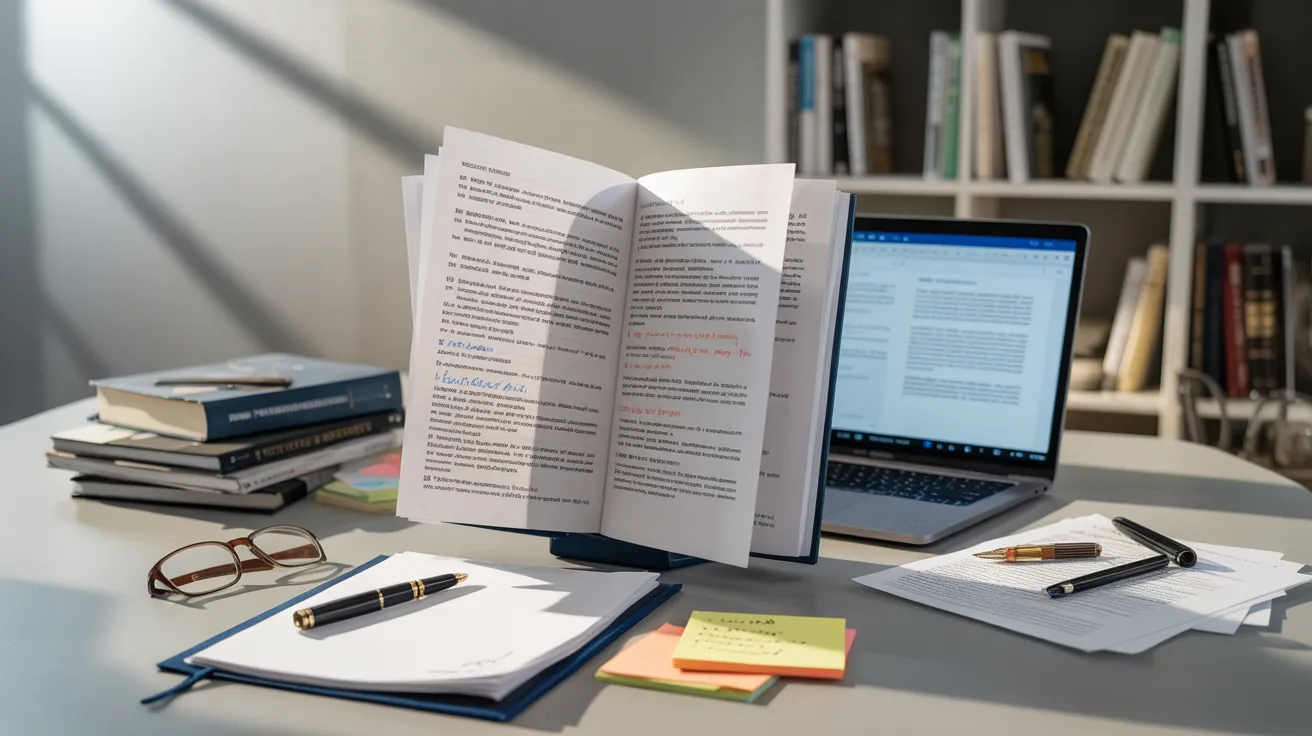
Learning English opens doors to better education, career opportunities, travel experiences, and communication with people around the world. Whether you’re a beginner or looking to improve your fluency, applying the right english learning tips can make your progress faster and more enjoyable. Instead of relying only on textbooks, combining practical exercises with consistent habits helps build confidence and long-term language skills.
This guide shares effective advice for learning English, explains smart studying techniques, and provides practical strategies you can use every day.
Why Learning English Is Worth the Effort
English is one of the most widely spoken languages globally and is commonly used in education, business, technology, and entertainment. Strong English skills allow learners to access more educational resources, communicate internationally, and expand professional opportunities.
While studying English may seem challenging at first, steady practice produces noticeable improvements over time.
English Learning Tips That Actually Work
1. Practice Every Day
Daily practice is one of the most effective ways to improve language skills. Even spending 20 to 30 minutes each day reviewing vocabulary, reading articles, or listening to English audio can significantly improve fluency.
Consistency matters more than studying for several hours only once a week.
2. Focus on All Four Language Skills
Effective language learners develop:
- Reading
- Writing
- Listening
- Speaking
Balancing all four skills creates stronger overall communication instead of improving only one area.
3. Build Vocabulary Naturally
Rather than memorizing hundreds of random words, learn vocabulary within real sentences and everyday situations.
Useful vocabulary sources include:
- News articles
- Podcasts
- Books
- TV shows
- Online conversations
Writing new words in a notebook along with example sentences improves long-term memory.
Advice for Learning English More Efficiently
Many learners become discouraged because they expect quick results. The best advice for learning English is to focus on gradual improvement instead of perfection.
Don’t Fear Mistakes
Making mistakes is a natural part of language learning. Every conversation provides an opportunity to improve pronunciation, grammar, and confidence.
Speak Whenever Possible
Speaking regularly helps your brain process vocabulary more naturally. You can practice with:
- Language exchange partners
- Friends
- Teachers
- Online communities
- Yourself by reading aloud
Listen Before You Speak Better
Listening develops pronunciation, rhythm, and sentence structure. Watch English videos with subtitles before gradually removing them as your understanding improves.
Studying English the Smart Way
Successful learners don’t simply study harder—they study smarter. Organizing your learning routine makes it easier to stay motivated.
Create Weekly Learning Goals
Examples include:
- Learn 20 new vocabulary words
- Read two English articles
- Watch one educational video daily
- Write three short journal entries
- Practice speaking for 15 minutes each day
Review What You’ve Learned
Reviewing previous lessons helps transfer information from short-term memory into long-term knowledge.
Weekly revision prevents forgetting vocabulary and grammar rules.
Improve English Reading Skills
Reading exposes learners to grammar, vocabulary, sentence structure, and writing style.
Good reading materials include:
- Blogs
- Online magazines
- Short stories
- Educational websites
- Children’s books for beginners
Choose topics you genuinely enjoy to stay motivated.
Develop Better Listening Skills
Listening comprehension often improves more quickly when learners hear authentic English regularly.
Useful resources include:
- Podcasts
- Audiobooks
- YouTube educational channels
- Movies
- English news broadcasts
Pause occasionally to repeat sentences aloud and imitate pronunciation.
Strengthen Your English Writing
Writing encourages learners to organize thoughts while applying grammar and vocabulary correctly.
Easy writing exercises include:
- Daily journals
- Email drafts
- Short essays
- Book summaries
- Social media posts in English
Review your writing regularly to identify common mistakes.
Practice Speaking with Confidence
Many learners understand English but hesitate to speak.
Confidence grows through repetition rather than waiting until everything feels perfect.
Simple speaking activities include:
- Reading articles aloud
- Recording yourself speaking
- Shadowing native speakers
- Joining conversation groups
- Practicing everyday situations
Use Technology to Support Learning
Modern technology makes studying English more accessible than ever.
Helpful digital resources include:
- Vocabulary apps
- Grammar checkers
- Flashcard software
- Online dictionaries
- Language exchange platforms
For reliable language resources and educational guidance, visit the British Council, which offers valuable English learning materials.
Common Mistakes English Learners Should Avoid
- Trying to memorize grammar without using it
- Translating every sentence from your native language
- Ignoring pronunciation practice
- Studying irregularly
- Being afraid to speak
- Focusing only on vocabulary without context
A balanced learning approach produces stronger results over time.
Build a Long-Term Learning Routine
Language learning is a marathon rather than a sprint. A realistic study schedule helps maintain motivation even during busy weeks.
For example:
- Monday: Vocabulary
- Tuesday: Listening practice
- Wednesday: Speaking exercises
- Thursday: Reading
- Friday: Writing
- Weekend: Review everything learned
This balanced routine keeps every language skill improving together.
Continue Expanding Your English Skills
As your confidence grows, you’ll benefit from exploring more specialized learning topics. For example, understanding English speaking practice techniques can strengthen conversational fluency, while improving your English vocabulary building strategy makes communication more natural. You may also find it helpful to learn effective English grammar tips to reduce common mistakes over time.
Conclusion
The most effective english learning tips focus on consistency, practical application, and continuous improvement. By practicing reading, writing, listening, and speaking every day, learners gradually build confidence and fluency. Remember that progress comes through regular effort rather than perfection. With patience, smart study habits, and a positive mindset, studying English becomes both rewarding and enjoyable.