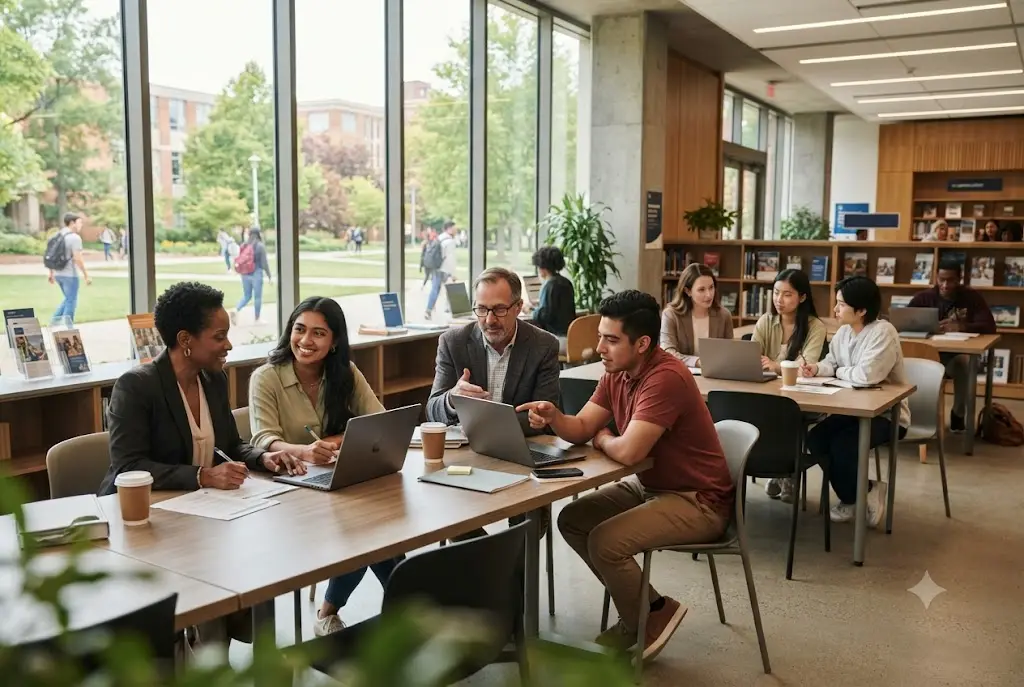
Implementing the best practices for supporting career development in higher education is essential for preparing students to thrive in an increasingly competitive workforce. Universities and colleges are no longer expected to provide only academic knowledge—they also play a vital role in helping students develop career-ready skills, explore professional pathways, and transition successfully into employment. By combining academic learning with structured career support, higher education institutions can improve graduate outcomes while meeting the evolving needs of employers.
Career development should not be limited to a final-year job search. Instead, it should be integrated throughout the student journey, encouraging continuous skill development, self-reflection, networking, and experiential learning from the first semester onward.
Why Career Development Matters in Higher Education
Students today face rapidly changing industries, emerging technologies, and evolving workplace expectations. Career development initiatives help bridge the gap between classroom learning and real-world employment by equipping learners with practical skills and informed career planning strategies.
Effective career development programs help institutions:
- Improve graduate employability.
- Increase student engagement.
- Support retention and academic success.
- Strengthen employer partnerships.
- Enhance institutional reputation.
- Prepare students for lifelong learning.
When career planning becomes part of the educational experience, students graduate with greater confidence and clearer professional goals.
Best Practices for Supporting Career Development in Higher Education
1. Introduce Career Planning Early
Career development should begin during a student’s first year rather than waiting until graduation approaches. Early exposure helps students understand career options, identify strengths, and make informed academic decisions that align with future goals.
First-year initiatives may include:
- Career interest assessments
- Academic planning workshops
- Goal-setting sessions
- Introduction to campus career services
2. Integrate Career Readiness Into the Curriculum
Embedding career-focused activities within academic programs allows students to connect theoretical knowledge with practical workplace applications.
Examples include:
- Industry case studies
- Project-based learning
- Presentation assignments
- Professional communication exercises
- Collaborative problem-solving activities
Faculty members play an important role by incorporating employability skills alongside subject-specific instruction.
3. Expand Experiential Learning Opportunities
Hands-on learning enables students to gain valuable experience before entering the workforce.
Institutions can encourage:
- Internships
- Cooperative education programs
- Research projects
- Community engagement
- Volunteer experiences
- Industry-sponsored projects
These experiences help students develop professional confidence while building stronger résumés.
4. Offer Personalized Career Coaching
Individual career guidance allows students to receive advice tailored to their academic background, interests, and career aspirations.
Career coaches can assist with:
- Career exploration
- Résumé development
- Interview preparation
- Networking strategies
- Graduate school planning
- Professional goal setting
Personalized support often leads to better engagement and stronger career outcomes.
Strengthening Employer Partnerships
Collaboration with employers helps institutions keep programs aligned with workforce needs.
Strong partnerships can provide:
- Internship placements
- Guest lectures
- Career fairs
- Mentorship opportunities
- Industry advisory boards
- Recruitment events
Employer involvement also gives students valuable insight into current hiring trends and workplace expectations.
Using Technology to Enhance Career Services
Digital tools allow institutions to deliver career support more efficiently while reaching larger student populations.
Examples include:
- Virtual career fairs
- Online appointment scheduling
- AI-assisted résumé reviews
- Career assessment platforms
- Job and internship portals
- Digital career portfolios
Technology also enables career services teams to monitor student engagement and improve support over time.
Developing Essential Employability Skills
Employers consistently value transferable skills that complement technical knowledge.
Higher education institutions should encourage development of:
- Critical thinking
- Communication
- Leadership
- Teamwork
- Adaptability
- Digital literacy
- Time management
- Problem-solving
Embedding these competencies throughout academic programs prepares students for long-term career success.
Supporting Diverse Career Pathways
Students pursue a wide range of professional goals, including employment, entrepreneurship, graduate education, public service, and freelance careers. Career development initiatives should reflect this diversity by offering flexible guidance tailored to different aspirations.
Institutions that recognize multiple career pathways can better support students with varying interests and backgrounds.
Collaboration Between Faculty and Career Services
Career development is most effective when faculty members and career services professionals work together. Faculty understand academic requirements, while career advisors provide expertise in labor market trends and employer expectations.
Regular collaboration can include:
- Curriculum planning
- Career-focused classroom activities
- Employer networking events
- Student mentoring programs
- Graduate outcome assessments
This partnership creates a more integrated student experience.
Learning From Corporate Career Development Programs
Many institutions also examine how to set up career development programs within corporations to identify effective mentoring structures, leadership development models, and continuous learning strategies. Adapting relevant practices from corporate environments can strengthen university career services while maintaining a student-centered approach.
Measuring Career Development Success
Continuous evaluation helps institutions improve career services and demonstrate their impact.
Useful indicators include:
- Graduate employment rates
- Internship participation
- Student satisfaction surveys
- Employer feedback
- Career service utilization
- Graduate school admissions
Regular assessment supports data-informed improvements and long-term program effectiveness.
Creating a Culture of Lifelong Career Development
Career planning should extend beyond graduation. Institutions can continue supporting alumni through networking opportunities, professional development resources, career coaching, and continuing education programs.
This lifelong approach strengthens alumni engagement while reinforcing the institution’s commitment to ongoing professional growth.
Final Thoughts
Adopting the best practices for supporting career development in higher education enables colleges and universities to prepare students for meaningful careers in a rapidly changing world. Early career planning, integrated learning experiences, employer partnerships, personalized coaching, and continuous evaluation all contribute to stronger graduate outcomes. By embedding career development throughout the educational journey, institutions empower learners to build adaptable skills, pursue rewarding opportunities, and succeed long after graduation.
Educators responsible for student guidance can also benefit from our article on career planning tools for educators, which explores professional growth strategies for teachers and academic staff. For broader leadership development, see our upcoming resources on teacher professional development strategies and educational leadership skills.
For evidence-based guidance on career readiness and postsecondary success, visit the National Center for Education Statistics (NCES).